Get Tickets
Get Tickets

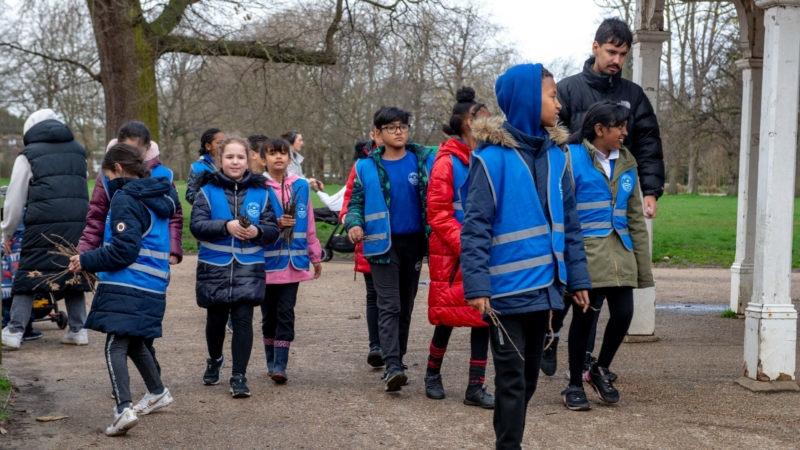
Learn about animals, plants, trees, and more in the beautiful surrounds of Pitzhanger with outdoor school workshops in wonderful Walpole Park!

Learning in the Gardens & Grounds 

Experience the inspiring surroundings of Pitzhanger Manor with our outdoor learning workshops, designed to connect students with nature and our locality. These hands-on sessions encourage creativity and exploration, linking to key primary curriculum areas such as science, geography, and art and design, while making full use of the beautiful gardens and outdoor spaces. 

Plant Botany and its Uses: EYFS, KS1, KS2

Science

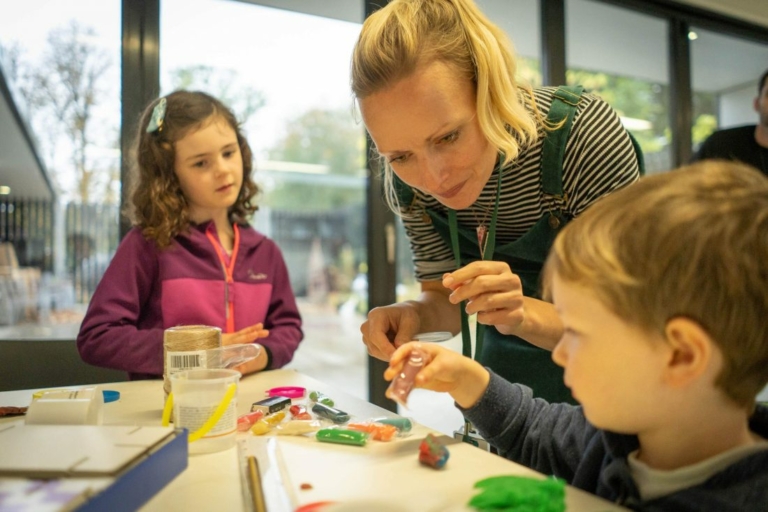
In this hands-on workshop, children will learn about and explore the plant world by identifying different parts of the plants growing in the park, analyse different features of a plant by zooming in, and learn how to identify the different plant families. They will also learn how to press a plant and label for record keeping. This will be followed by a craft and cooking demonstration to show the uses of plants as decoration, food, clothes and medicine. Activities to choose from will include balm making, string making from a plant, Japanese printing of a plant, cyanotype of plants, and herbal teas to a wild salad.

KS1 SCIENCE CURRICULUM LINKS:

  • Use the local environment throughout the year to explore and answer questions about plants growing in their habitat.
  • Identify and name a variety of common wild and garden plants, including deciduous and evergreen trees.
  • Identify and describe the basic structure of a variety of common flowering plants, including trees.
  • Observe and describe how seeds and bulbs grow into mature plants.
  • Find out and describe how plants need water, light and a suitable temperature to grow and stay healthy.

KS2 SCIENCE CURRICULUM LINKS:

  • Identify and describe the functions of different parts of flowering plants, including trees: roots, stem/trunk, leaves and flowers.
  • Explore the part that flowers play in the life cycle of flowering plants, including pollination, seed formation and seed dispersal.
  • Give reasons for classifying plants, including trees, based on specific characteristics.

EYFS FRAMEWORK LINKS, THE WORLD AROUND US:

  • Explore the natural world around them, making observations and drawing pictures of animals and plants. 
  • Know some similarities and differences between the natural world around them and contrasting environments, drawing on their experiences and what has been read in class. 
  • Understand some important processes and changes in the natural world around them, including the seasons and an introduction to lifecycles.

Follow the Hungry Caterpillar: EYFS, KS1

Science

This workshop is designed specifically for nursery and reception children, to engage with the topics of: natural habitats, growing food and eating healthily, and bugs and why we need them. Through the story of the Hungry Caterpillar, the children will gain an understanding of caterpillar preferred natural habitats (plants generally and brassicas especially), healthy eating (through the caterpillar’s diet, and by going on a treasure hunt), how different fruit and vegetables grow (those featured in the story and others, using our kitchen garden and sowing seeds themselves). They will finish by being bug detectives, observing as many different types of bugs as possible under magnifiers. 

KS1 SCIENCE CURRICULUM LINKS:

  • Use the local environment throughout the year to explore and answer questions about animals and insects in their habitat.
  • Lifecycles, metamorphosis
    Understand how to take care of animals taken from their local environment and the need to return them safely after study.
  • Identify and name a variety of plants and animals in their habitats, including microhabitats.
  • Use the local environment throughout the year to explore and answer questions about plants growing in their habitat.

EYFS FRAMEWORK LINKS, THE WORLD AROUND US:

  • Explore the natural world around them, making observations and drawing pictures of animals and plants. 
  • Know some similarities and differences between the natural world around them and contrasting environments, drawing on their experiences and what has been read in class. 
  • Understand some important processes and changes in the natural world around them, including the seasons and an introduction to lifecycles.

Wildlife Friends: EYFS, KS1, KS2

Science

Discover the habitats of local creatures that make their homes in the park, including busy bees, hungry caterpillars, singing birds, jumpy frogs, and more! Learn about the wildlife in our local ecosystem, and how we can develop and nurture positive relationships with the living things in our environment.

KS1 SCIENCE CURRICULUM LINKS:

  • Use the local environment throughout the year to explore and answer questions about animals living in their habitat.
  • Identify and name a variety of common animals including fish, amphibians, reptiles, birds and mammals.
  • Identify and name a variety of common animals that are carnivores, herbivores and omnivores.
  • Identify that most living things live in habitats to which they are suited and describe how different habitats provide for the basic needs of different kinds of animals and plants, and how they depend on each other.
  • Describe and compare the structure of a variety of common animals (fish, amphibians, reptiles, birds and mammals, including pets).
  • Describe how animals obtain their food from plants and other animals, using the idea of a simple food chain, and identify and name different sources of food.
  • Identify and name a variety of plants and animals in their habitats, including microhabitats.

KS2 SCIENCE CURRICULUM LINKS:

  • Describe the differences in the life cycles of a mammal, an amphibian, an insect and a bird.
  • Use the local environment throughout the year to raise and answer questions that help them identify and study plants and animals in their habitat.
  • Pupils should explore possible ways of grouping a wide selection of living things that including animals, flowering plants and non-flowering plants.
  • Pupils should explore examples of human impact (both positive and negative) on environments.

EYFS FRAMEWORK LINKS, THE WORLD AROUND US:

  • Explore the natural world around them, making observations and drawing pictures of animals and plants. 
  • Know some similarities and differences between the natural world around them and contrasting environments, drawing on their experiences and what has been read in class. 
  • Understand some important processes and changes in the natural world around them, including the seasons and an introduction to lifecycles.

Tremendous Trees: KS1, KS2

Science

This workshop introduces children to London’s most common trees, and the Park’s more unusual trees, from a natural classroom with logs as benches. The workshop will begin with an introduction to the anatomy of trees, and why they are so important for pollution reduction, the air we breathe, and as habitats and food sources for wildlife. The group will go on a ‘tree trail’, learning to identify a number of trees, and their uses in medicine, cooking, and jewelry making (eg. amber).

KS1 SCIENCE CURRICULUM LINKS:

  • Use the local environment throughout the year to explore and answer questions about plants growing in their habitat.
  • Identify and name a variety of common wild and garden plants, including deciduous and evergreen trees.
  • Identify and describe the basic structure of a variety of common flowering plants, including trees.
  • Identify that most living things live in habitats to which they are suited and describe how different habitats provide for the basic needs of different kinds of animals and plants, and how they depend on each other.

KS2 SCIENCE CURRICULUM LINKS:

  • Identify and describe the functions of different parts of flowering plants, including trees: roots, stem/trunk, leaves and flowers.
  • Explore the part that flowers play in the life cycle of flowering plants, including pollination, seed formation and seed dispersal.
  • Give reasons for classifying plants, including trees, based on specific characteristics.

You Might Like

All the information you need getting to and enjoying your time at Pitzhanger

Core Workshops

We have a range of workshops that focus on art, design and architecture as well as the history of John Soane and the house he built for his family, Pitzhanger Manor.

More info

Secondary

We have a range of workshops that focus on art, design and architecture as well as the history of John Soane and the house he built for his family, Pitzhanger Manor.

More info

What’s On

Events & Exhibitions

Find out what’s coming up at Pitzhanger Manor & Gallery.

More info

Contact Us

Pitzhanger Manor & Gallery
Ealing Green, London W5 5EQ

Ticketing, Opening Hours and Tour Enquiries: foh@pitzhanger.org.uk
Retail Enquires: retail@pitzhanger.org.uk

Reception: 020 3985 8888
Venue Hire: 020 3994 0966
Office: 020 3994 0967

Wednesday - Sunday: 10:00 - 17:00
First Thursday of the month: 10:00 - 20:00
Monday - Tuesday: Closed
Bank Holidays: 10:00 - 17:00

Last admissions one hour before closing

Plan your visit